Preparing for a total joint replacement involves more than just scheduling surgery and arranging help for your recovery. Nutrition plays a major role in how well your body heals, and one of the most important nutrients before and after surgery is protein. If you are considering a knee or hip replacement, understanding the role of protein can help improve your recovery and overall outcomes.
Why Protein Matters
Protein is often called the “building block” of the body. It helps repair tissues, maintain muscle strength, support your immune system, and promote wound healing. During and after surgery, your body is under stress and needs extra nutrients to recover properly. Without enough protein, healing can slow down, muscle loss can occur, and recovery may become more difficult.
Protein Before Surgery: Building Strength Ahead of Time
Many patients preparing for joint replacement may already be dealing with pain and decreased activity. Over time, this can lead to muscle loss, especially in the legs. Going into surgery with good muscle strength and proper nutrition can make a big difference in recovery. Stronger muscles before surgery often lead to better mobility afterward, which can help patients get moving more quickly during physical therapy.
Eating enough protein before surgery helps:
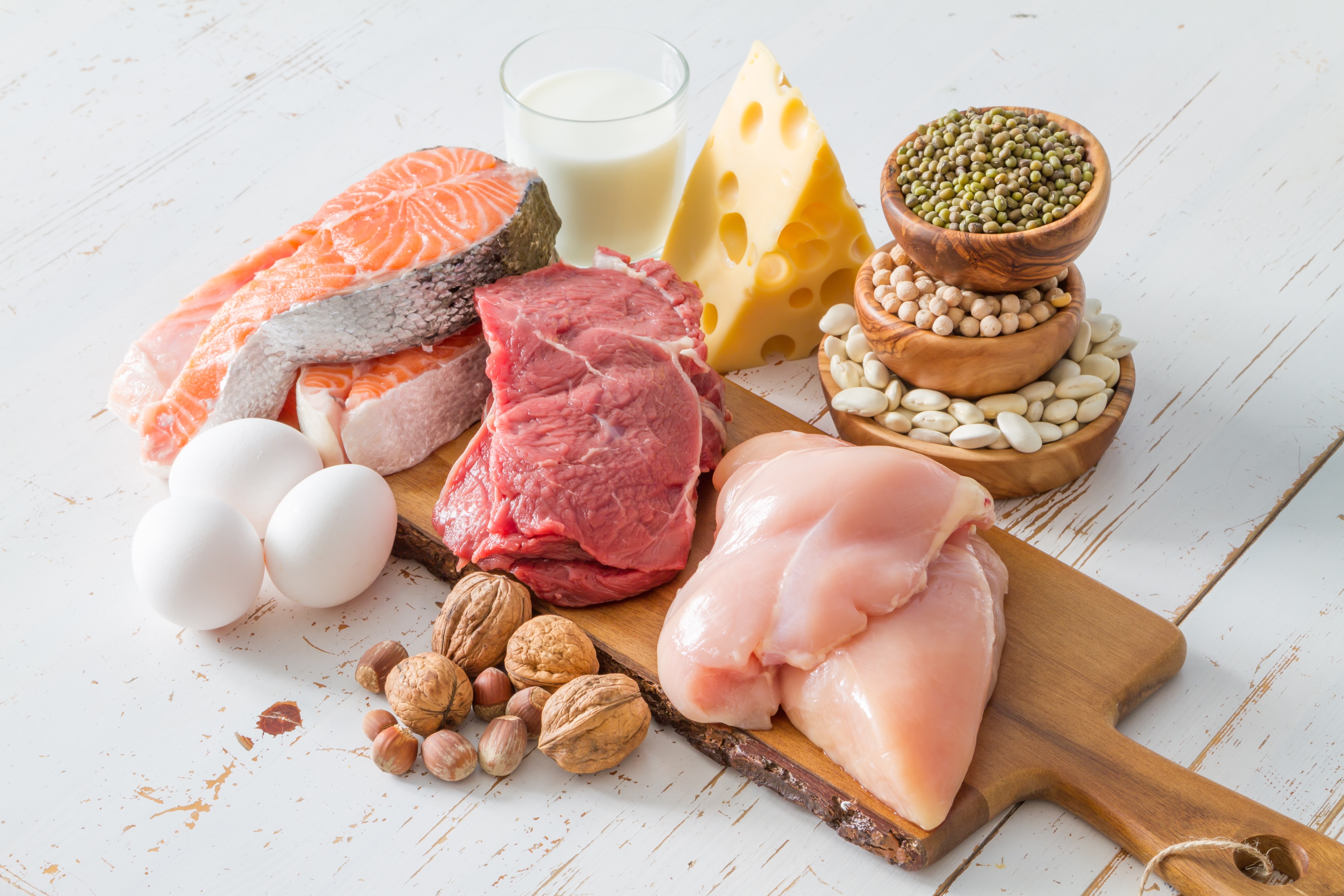
Good sources of protein include:
Protein After Surgery: Healing and Recovery
After joint replacement surgery, your body immediately begins repairing tissue and rebuilding strength. Protein becomes even more important during this phase.
Adequate protein intake after surgery can help:
Patients often notice a temporary decrease in appetite after surgery, which can make it harder to get the nutrition they need. Focusing on small, protein-rich meals and snacks throughout the day can help.
How Much Protein Do You Need?
Protein needs vary based on age, body size, activity level, and medical conditions, but many patients recovering from surgery require more protein than usual. Your surgeon, primary care physician, or dietitian can help determine the right amount for you. In general, aiming to include a source of protein with every meal and snack is a good place to start.
Recovery Starts Before Surgery
Joint replacement surgery is not just about the procedure itself. It is about preparing your body for success afterward so you can get back to doing what you love. Nutrition, especially protein intake, is an important part of that preparation. By prioritizing protein before and after surgery, patients can support healing, maintain strength, and help improve their overall recovery and results.
If you are considering a total joint replacement, talk with your healthcare team about how nutrition can become part of your surgical plan. Small changes before surgery can make a meaningful difference.


