Concerning Chronic Medical Conditions
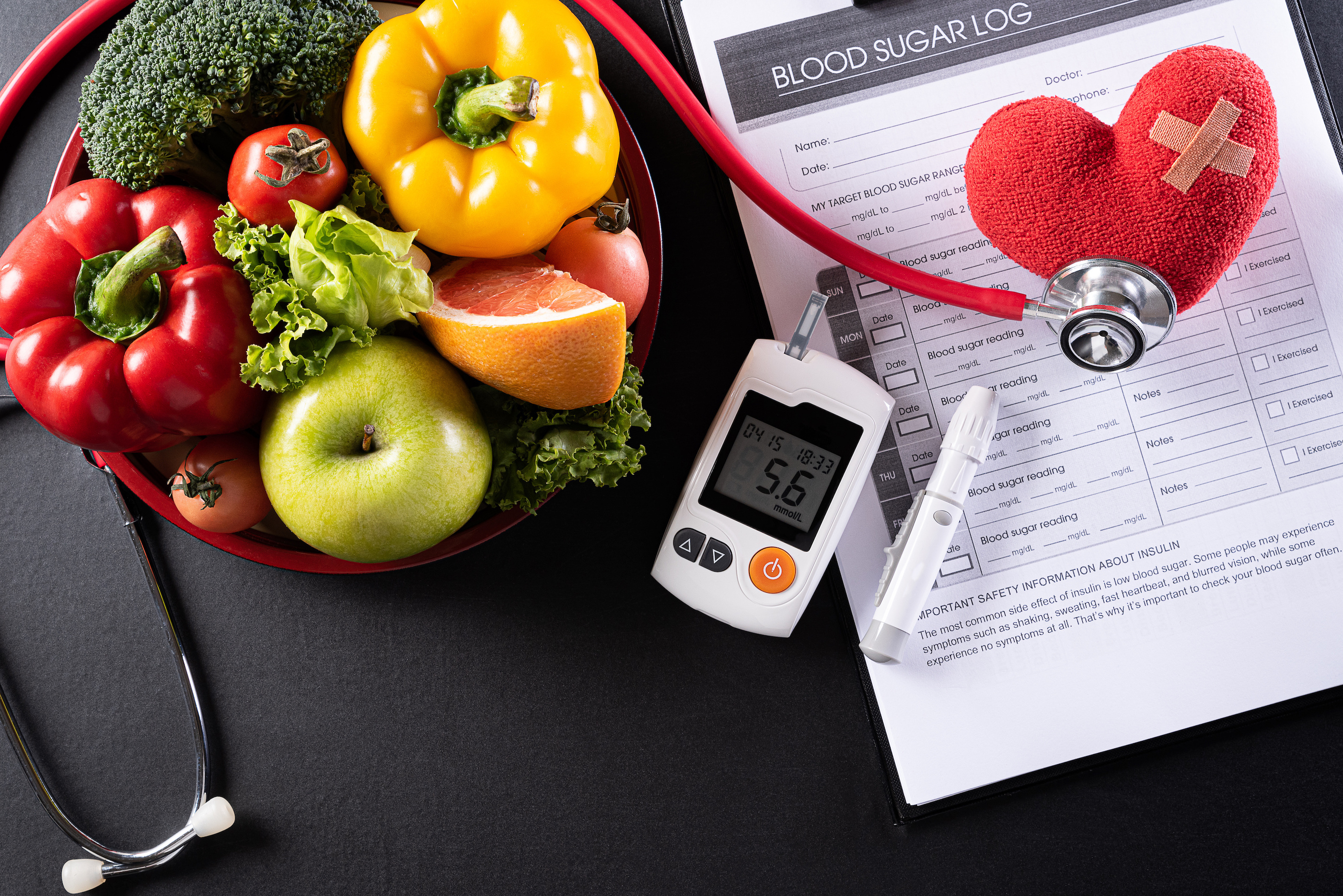
Many Americans suffer from chronic diseases. These are a leading cause of illness, disability, and death. These diseases increase risks of complications following surgical procedures. Many of these illnesses have modifiable risk factors but do require some effort on behalf of the patient to get those risk factors under control. Stopping smoking, reducing alcohol, getting enough movement, and eating well can all affect positive change in chronic diseases.
Who is at risk?
In 2023, the Centers for Disease Control (CDC) found that more than 60% of U.S. adults have at least one chronic medical condition, such as diabetes, hypertension, obesity, or heart disease. Even more staggering, approximately 40% of U.S. adults suffer from more than one chronic condition. Risk factors for chronic disease development are now present in childhood and adolescence, not just in those of advancing age. Approximately 60% of younger adults, aged 18-35, now have chronic medical conditions, which can require lifelong care and management. This increased presence of chronic medical conditions leads to increased need for doctor’s appointments, missed work, and in many cases, more money spent on medications, causing a true financial and socio-economic burden for much of the population.
Wouldn’t it be amazing if there was a way to reduce the burden of chronic disease on a large scale? What if you could feel proud of your health instead of being defeated?
Enter: the lifestyle concepts surrounding the idea of Food is Medicine, or FIM.
What is Food is Medicine?
If you’re not quite sure, you’re not alone! A report from the Rockefeller Foundation in May 2025 found that less than a third of respondents had ever heard of FIM programs: only 13% of the general public and 32% of healthcare workers had heard of FIM programs. The standard definition is that “Food is Medicine describes a way to treat and prevent diet-related medical conditions by providing patients with access to healthy foods, education around cooking and nutrition, and support for adopting healthy eating habits into their everyday lives. Food is Medicine programs are an innovative approach to health care and a transformative way to consider holistic health”. Indeed, these programs are supported by many national health initiatives, such as the DASH diet for cardiac health, even if they’re not directly called Food is Medicine.
Why Food is Medicine?
What we eat can affect us in positive or negative ways. The premise of healthy eating is not new. If you’ve heard the old saying that an apple a day keeps the doctor away, you realize just how long good nutrition has been a focus in health. In fact, nutrition is one of the standard six pillars of lifestyle medicine practices, according to the American College of Lifestyle Medicine, which focuses on health promotion and disease reduction. The other remaining pillars are physical activity, stress management, relationships/social support, sleep, and avoidance of risky substances. As you see, these are all lifestyle modifications that can be customized to combat chronic diseases.
Truly, you are what you eat!


